
Cavaliers get burned by 'up-three' foul strategy that shouldn't be allowed in the first place
The "foul up three" philosophy has become the darling of NBA analytics departments, a strategy designed to strip the drama from the dying seconds of regulation. But on Friday night in Detroit, the Cleveland Cavaliers provided a brutal case study on why playing the percentages can sometimes yield a 100 percent disaster—and why the league might need to save teams from themselves.
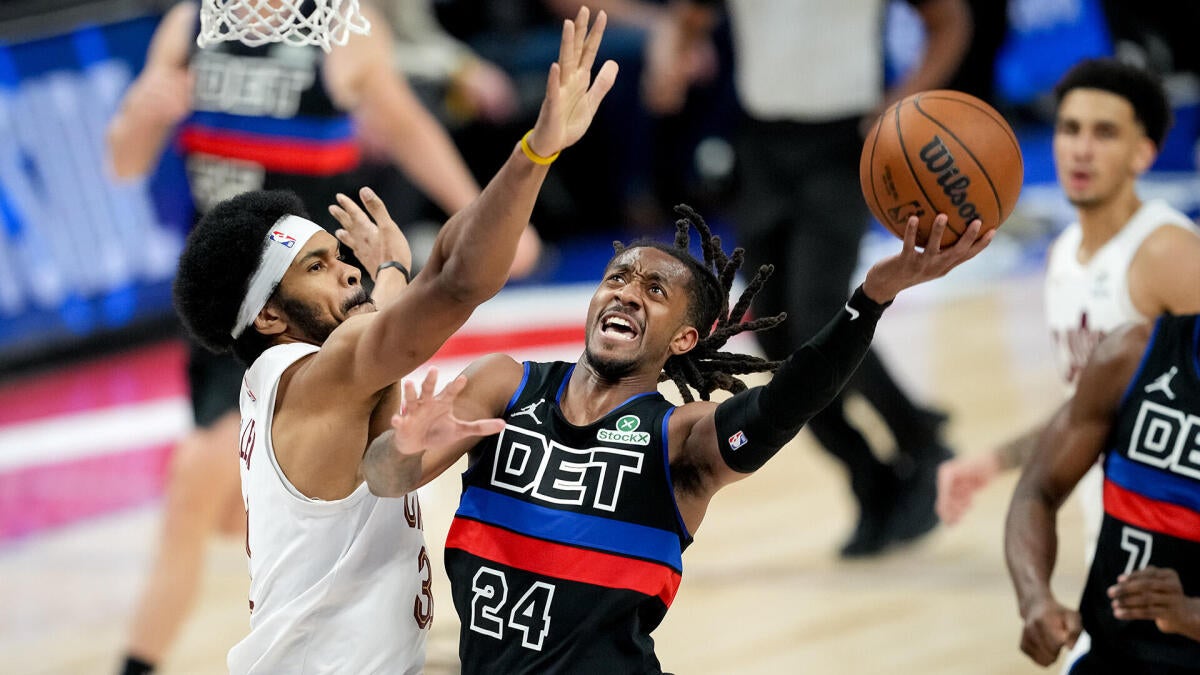
Leading 114-111 with just 4.7 seconds remaining, the Cavaliers attempted to execute the textbook maneuver. The goal was simple: foul Detroit Pistons guard Daniss Jenkins on the floor, put him on the line for two shots, and prevent a game-tying 3-pointer. Instead, rookie Jaylon Tyson’s attempt to wrap up Jenkins backfired spectacularly. Jenkins, recognizing the contact, fluidly swept into a shooting motion from near halfcourt. The whistle blew, but rather than a side-out or two shots, the officials awarded three. Jenkins calmly sank all three free throws, forcing an overtime where the Pistons eventually triumphed 122-119.
While Head Coach Kenny Atkinson’s decision was mathematically sound, the execution highlights the inherent risk of officiating variance in these high-leverage moments. By trying to manipulate the rulebook rather than trusting their defense, the Cavaliers turned a likely victory into a coin-flip loss. The sequence also reignited the debate surrounding the aesthetic value of the strategy. The "up-three" foul turns the climax of a competitive game into a disjointed free-throw contest, robbing fans of a potential defensive stop or a buzzer-beating hero shot.
Critics argue that the NBA should intervene, perhaps by adopting a rule similar to the "take foul" penalty or granting the fouled team one shot and possession if the foul is deemed intentional away from the play. For Cleveland, the loss was particularly stinging given they were shorthanded, missing stars Donovan Mitchell and James Harden. They fought valiantly to build a lead, only to see it evaporate due to a strategy that, while "smart" on paper, feels increasingly bad for the sport. Friday proved that when you play with fire, you don't just get burned—you get sent to overtime.
Leading 114-111 with just 4.7 seconds remaining, the Cavaliers attempted to execute the textbook maneuver. The goal was simple: foul Detroit Pistons guard Daniss Jenkins on the floor, put him on the line for two shots, and prevent a game-tying 3-pointer. Instead, rookie Jaylon Tyson’s attempt to wrap up Jenkins backfired spectacularly. Jenkins, recognizing the contact, fluidly swept into a shooting motion from near halfcourt. The whistle blew, but rather than a side-out or two shots, the officials awarded three. Jenkins calmly sank all three free throws, forcing an overtime where the Pistons eventually triumphed 122-119.
While Head Coach Kenny Atkinson’s decision was mathematically sound, the execution highlights the inherent risk of officiating variance in these high-leverage moments. By trying to manipulate the rulebook rather than trusting their defense, the Cavaliers turned a likely victory into a coin-flip loss. The sequence also reignited the debate surrounding the aesthetic value of the strategy. The "up-three" foul turns the climax of a competitive game into a disjointed free-throw contest, robbing fans of a potential defensive stop or a buzzer-beating hero shot.
Critics argue that the NBA should intervene, perhaps by adopting a rule similar to the "take foul" penalty or granting the fouled team one shot and possession if the foul is deemed intentional away from the play. For Cleveland, the loss was particularly stinging given they were shorthanded, missing stars Donovan Mitchell and James Harden. They fought valiantly to build a lead, only to see it evaporate due to a strategy that, while "smart" on paper, feels increasingly bad for the sport. Friday proved that when you play with fire, you don't just get burned—you get sent to overtime.


