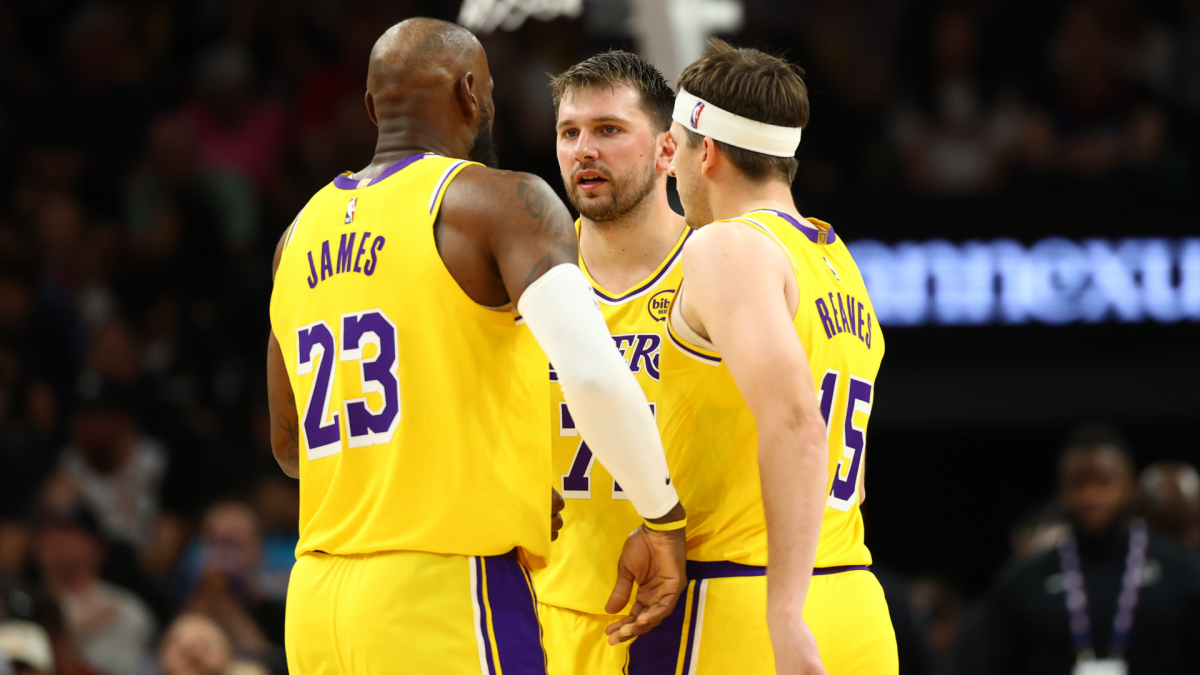

Lakers ask officials for consistency as technical fouls pile up in Clippers loss
The Los Angeles Lakers left their latest matchup with the Clippers talking less about missed shots and more about whistles. In a chippy, emotionally charged loss, a flurry of technical fouls on Lakers players and staff became the dominant subplot, prompting the organization to call for greater consistency from NBA officials.
Technical fouls are not new to a team built around vocal stars and a fiery coaching staff, but the volume and timing of the calls against the Clippers magnified long-simmering frustrations. Several techs came during critical stretches, halting momentum and gifting the Clippers extra free throws. While the Lakers stopped short of direct criticism of individual referees, the message was clear: they want a more predictable standard for what crosses the line.
Across the league, the balance between enforcing decorum and allowing emotional expression has become a recurring debate. The NBA has empowered officials to crack down on overt demonstrations, extended complaints, and disrespectful gestures. Yet players and coaches often argue that enforcement varies from crew to crew, and even from quarter to quarter. For veteran stars who have spent years establishing a rapport with referees, sudden whistles for behavior previously tolerated can feel arbitrary.
For the Lakers, this is as much about competitive equity as it is about perception. When technical fouls arrive in clusters, they can change substitution patterns, defensive intensity, and late-game strategies. A team that prides itself on experience and poise does not want games decided, or even heavily tilted, by subjective interpretations of frustration or body language.
From the league’s perspective, maintaining professionalism and protecting officials is a priority, particularly in high-profile rivalry games. The challenge is ensuring that enforcement is transparent and consistent enough that teams adjust their behavior without feeling singled out.
As the season grinds on, the Lakers’ plea for clarity reflects a broader sentiment around the NBA: players and coaches will live with strict rules, but they want to know where the line is before they’re punished for crossing it.
Technical fouls are not new to a team built around vocal stars and a fiery coaching staff, but the volume and timing of the calls against the Clippers magnified long-simmering frustrations. Several techs came during critical stretches, halting momentum and gifting the Clippers extra free throws. While the Lakers stopped short of direct criticism of individual referees, the message was clear: they want a more predictable standard for what crosses the line.
Across the league, the balance between enforcing decorum and allowing emotional expression has become a recurring debate. The NBA has empowered officials to crack down on overt demonstrations, extended complaints, and disrespectful gestures. Yet players and coaches often argue that enforcement varies from crew to crew, and even from quarter to quarter. For veteran stars who have spent years establishing a rapport with referees, sudden whistles for behavior previously tolerated can feel arbitrary.
For the Lakers, this is as much about competitive equity as it is about perception. When technical fouls arrive in clusters, they can change substitution patterns, defensive intensity, and late-game strategies. A team that prides itself on experience and poise does not want games decided, or even heavily tilted, by subjective interpretations of frustration or body language.
From the league’s perspective, maintaining professionalism and protecting officials is a priority, particularly in high-profile rivalry games. The challenge is ensuring that enforcement is transparent and consistent enough that teams adjust their behavior without feeling singled out.
As the season grinds on, the Lakers’ plea for clarity reflects a broader sentiment around the NBA: players and coaches will live with strict rules, but they want to know where the line is before they’re punished for crossing it.