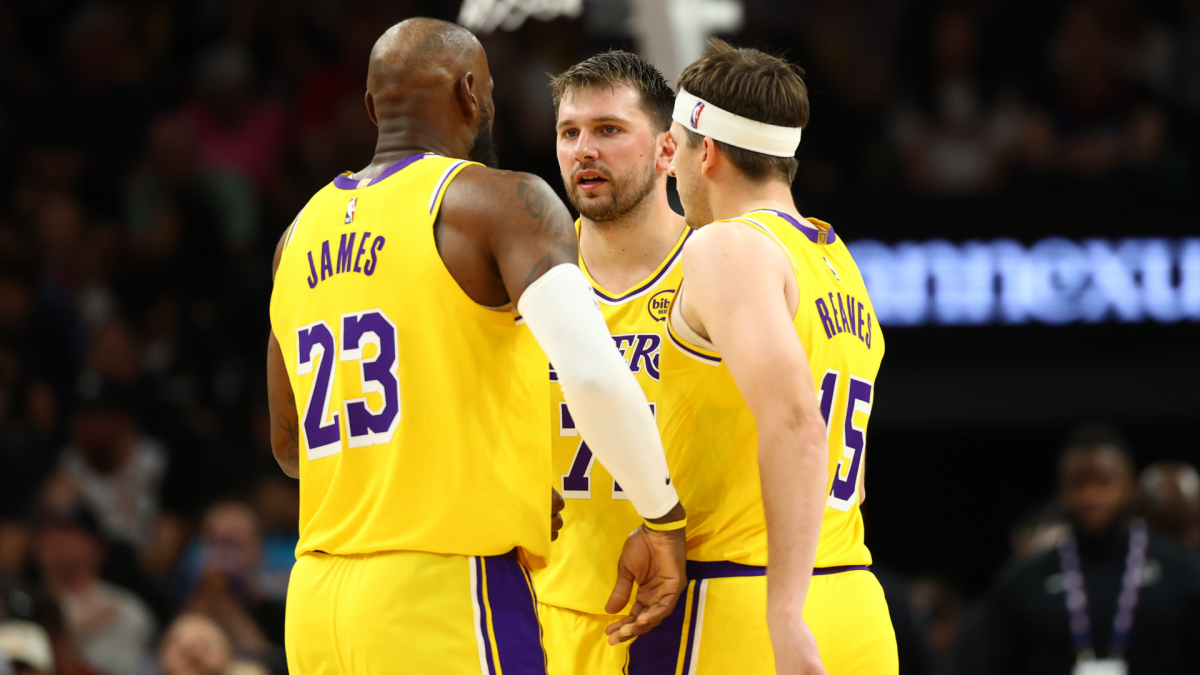

Lakers’ JJ Redick Blasts NBA Officiating During Press Conference
JJ Redick used his postgame podium time for something other than breaking down pick‑and‑roll coverages. The Los Angeles Lakers head coach turned his focus squarely on NBA officiating, voicing frustration with what he framed as inconsistency and a shifting standard from night to night.
Redick, who built a strong reputation as a sharp analyst before taking over in Los Angeles, leaned on that experience as he spoke. He referenced the difficulty of coaching players when “the way a game is going to be called” feels unpredictable, arguing that preparation and game plans lose value when the whistle varies by crew or moment. While he stopped short of personal attacks, the tone was pointed enough to signal that his patience is thinning.
Across the league, officiating has become a recurring flashpoint. Coaches, players, and front offices increasingly walk a fine line between advocating for their teams and avoiding league fines for public criticism. Redick’s comments fit into that wider pattern, but they also carry a particular weight because of his dual background as a recent player and media voice. He understands how officiating shapes narratives, affects fan trust, and influences how stars manage their aggression on both ends of the floor.
From the league’s perspective, the balance is delicate. The NBA has invested in transparency initiatives like Last Two Minute Reports and coach’s challenges, aiming to show accountability while preserving referee authority. Yet those efforts have not eliminated the perception that certain games, or certain players, get different treatment. When a high‑profile coach in a marquee market like Los Angeles speaks out, that perception only grows louder.
For the Lakers, Redick’s outburst may serve a strategic purpose. Public pressure can sometimes tilt the marginal calls in future games, or at least signal to his locker room that he is fighting on their behalf. Long term, though, the episode underscores a familiar tension: a league that markets its stars and drama, yet must constantly convince everyone involved that the outcomes are decided by the players, not the whistle.
Redick, who built a strong reputation as a sharp analyst before taking over in Los Angeles, leaned on that experience as he spoke. He referenced the difficulty of coaching players when “the way a game is going to be called” feels unpredictable, arguing that preparation and game plans lose value when the whistle varies by crew or moment. While he stopped short of personal attacks, the tone was pointed enough to signal that his patience is thinning.
Across the league, officiating has become a recurring flashpoint. Coaches, players, and front offices increasingly walk a fine line between advocating for their teams and avoiding league fines for public criticism. Redick’s comments fit into that wider pattern, but they also carry a particular weight because of his dual background as a recent player and media voice. He understands how officiating shapes narratives, affects fan trust, and influences how stars manage their aggression on both ends of the floor.
From the league’s perspective, the balance is delicate. The NBA has invested in transparency initiatives like Last Two Minute Reports and coach’s challenges, aiming to show accountability while preserving referee authority. Yet those efforts have not eliminated the perception that certain games, or certain players, get different treatment. When a high‑profile coach in a marquee market like Los Angeles speaks out, that perception only grows louder.
For the Lakers, Redick’s outburst may serve a strategic purpose. Public pressure can sometimes tilt the marginal calls in future games, or at least signal to his locker room that he is fighting on their behalf. Long term, though, the episode underscores a familiar tension: a league that markets its stars and drama, yet must constantly convince everyone involved that the outcomes are decided by the players, not the whistle.