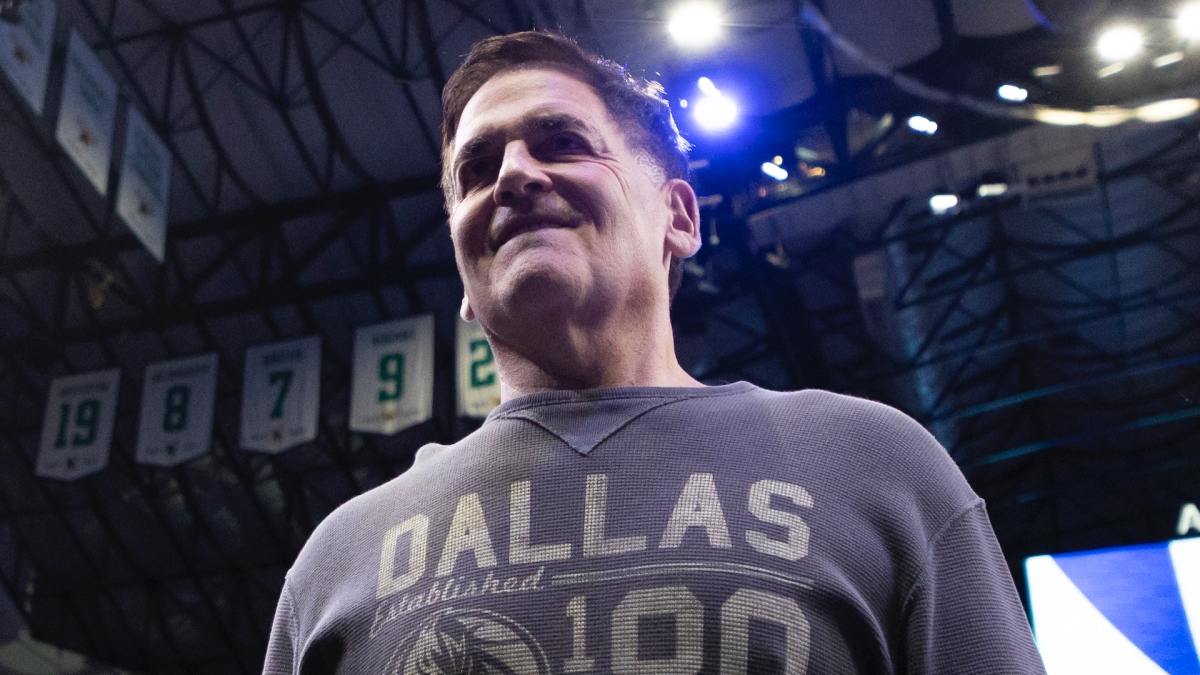
Mark Cuban explains why NBA 'should embrace tanking,' prioritize fans in wake of Adam Silver's remarks
Mark Cuban is once again challenging NBA orthodoxy, arguing that instead of treating tanking as a dirty word, the league should rethink how it fits into a fan-first model of competition and team building.
In the wake of commissioner Adam Silver’s continued push to discourage intentional losing through measures like the draft lottery reform and the in-season tournament, Cuban is framing the debate differently. To him, the core issue is not whether teams should always try to win every game, but whether the system rewards organizations that are honest about rebuilding and transparent with their fans.
From Cuban’s perspective, “tanking” is often just a loaded term for strategic losing in a season where a championship run is unrealistic. Front offices balance short-term competitiveness with long-term upside, and the current structure still heavily incentivizes bottoming out to secure elite talent at the top of the draft. Cuban’s argument is that instead of pretending those incentives don’t exist, the NBA should acknowledge them and design rules that turn rebuilding into a clearer, more fan-centric process.
League officials worry that tanking undermines the integrity of the competition and cheapens the regular season. Silver has repeatedly emphasized the importance of every game mattering, both for broadcast partners and for global credibility. The NBA has tried to flatten lottery odds, penalize the worst records, and introduce more mid-season stakes to keep teams engaged.
Cuban’s counter is more philosophical than rebellious. If fans understand the plan, he believes they can buy into a rebuild, celebrate young talent, and stay emotionally invested even during a losing season. That might mean more transparency around timelines, clearer incentives for developing young players, or alternative reward structures that don’t force a race to the bottom.
The tension between Cuban’s stance and Silver’s vision reflects a broader league-wide question: Is it better to fight tanking at all costs, or to reshape it into a more honest, structured phase of team-building that respects fans’ intelligence and patience? How the NBA answers that will shape not only draft strategy, but the meaning of a “lost” season.
In the wake of commissioner Adam Silver’s continued push to discourage intentional losing through measures like the draft lottery reform and the in-season tournament, Cuban is framing the debate differently. To him, the core issue is not whether teams should always try to win every game, but whether the system rewards organizations that are honest about rebuilding and transparent with their fans.
From Cuban’s perspective, “tanking” is often just a loaded term for strategic losing in a season where a championship run is unrealistic. Front offices balance short-term competitiveness with long-term upside, and the current structure still heavily incentivizes bottoming out to secure elite talent at the top of the draft. Cuban’s argument is that instead of pretending those incentives don’t exist, the NBA should acknowledge them and design rules that turn rebuilding into a clearer, more fan-centric process.
League officials worry that tanking undermines the integrity of the competition and cheapens the regular season. Silver has repeatedly emphasized the importance of every game mattering, both for broadcast partners and for global credibility. The NBA has tried to flatten lottery odds, penalize the worst records, and introduce more mid-season stakes to keep teams engaged.
Cuban’s counter is more philosophical than rebellious. If fans understand the plan, he believes they can buy into a rebuild, celebrate young talent, and stay emotionally invested even during a losing season. That might mean more transparency around timelines, clearer incentives for developing young players, or alternative reward structures that don’t force a race to the bottom.
The tension between Cuban’s stance and Silver’s vision reflects a broader league-wide question: Is it better to fight tanking at all costs, or to reshape it into a more honest, structured phase of team-building that respects fans’ intelligence and patience? How the NBA answers that will shape not only draft strategy, but the meaning of a “lost” season.