
NBA issues suspensions for Thunder-Wizards scuffle that spilled into courtside seats
The NBA moved quickly to restore order and send a message after a heated altercation between the Oklahoma City Thunder and Washington Wizards spilled into the courtside seating area, announcing multiple suspensions and fines for those involved.
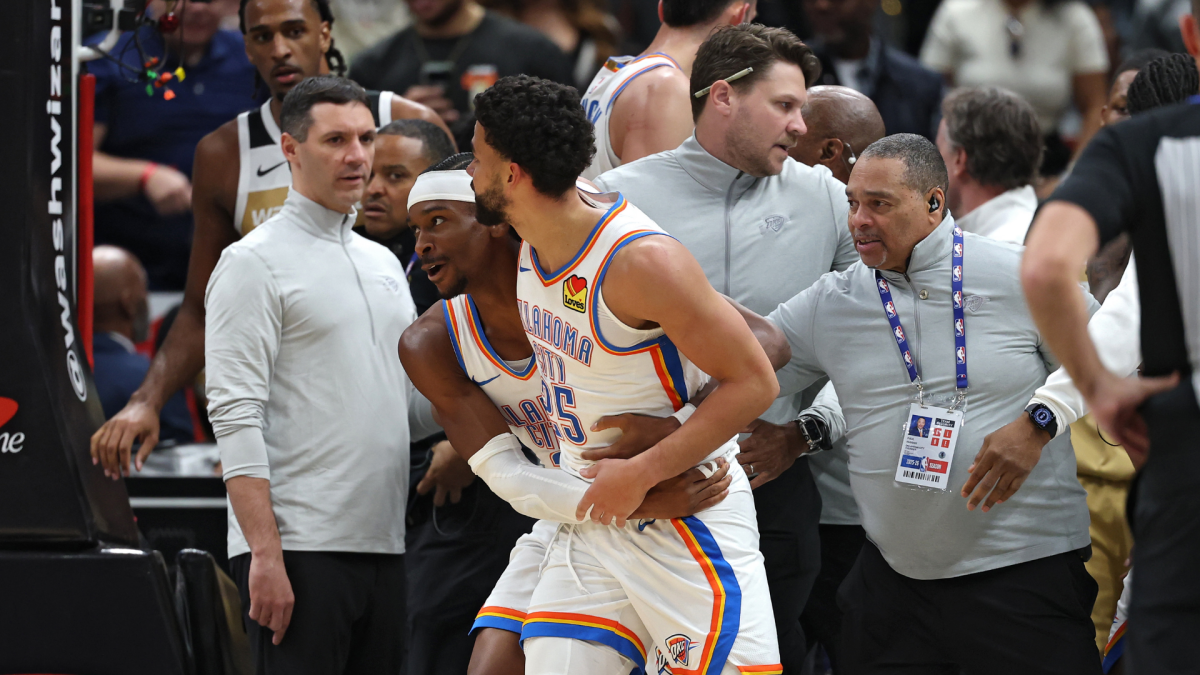
The incident began late in the second half when on-court physicality escalated beyond typical hard playoff-style contact. Pushing between players at the rim drew in teammates from both benches, and as bodies tangled, the scuffle veered toward the sideline. Several players and staff brushed into the first row of spectators, prompting security and arena personnel to intervene as officials attempted to separate both teams.
In its disciplinary announcement, the league cited its longstanding policy against leaving the bench area during an on-court confrontation and emphasized the heightened seriousness of any contact that reaches the stands. The primary instigators received suspensions, while others who escalated the confrontation or left the bench were handed additional penalties and fines.
From the league’s perspective, the optics of players and staff colliding with fans are especially sensitive. The NBA has spent years reinforcing a clear boundary between the court and the crowd, both for safety and for preserving the viewing experience that is central to its product. Even unintentional contact in a chaotic moment is treated as a red-line issue.
For the Thunder and Wizards, the fallout is immediate. Rotations will be disrupted, coaches will be forced to adjust lineups on short notice, and depth will be tested. Beyond the tactical impact, both organizations now face internal conversations about composure, leadership, and accountability in high-tension situations.
League officials framed the suspensions as both punishment and deterrent. The message is consistent with recent years: physical play is part of the game, but confrontations cannot cross into the seating area or involve fans in any way. As the season intensifies and emotions rise, the NBA is clearly intent on drawing a firm line before a flashpoint becomes something far more damaging for the league’s image and its relationship with spectators.
The incident began late in the second half when on-court physicality escalated beyond typical hard playoff-style contact. Pushing between players at the rim drew in teammates from both benches, and as bodies tangled, the scuffle veered toward the sideline. Several players and staff brushed into the first row of spectators, prompting security and arena personnel to intervene as officials attempted to separate both teams.
In its disciplinary announcement, the league cited its longstanding policy against leaving the bench area during an on-court confrontation and emphasized the heightened seriousness of any contact that reaches the stands. The primary instigators received suspensions, while others who escalated the confrontation or left the bench were handed additional penalties and fines.
From the league’s perspective, the optics of players and staff colliding with fans are especially sensitive. The NBA has spent years reinforcing a clear boundary between the court and the crowd, both for safety and for preserving the viewing experience that is central to its product. Even unintentional contact in a chaotic moment is treated as a red-line issue.
For the Thunder and Wizards, the fallout is immediate. Rotations will be disrupted, coaches will be forced to adjust lineups on short notice, and depth will be tested. Beyond the tactical impact, both organizations now face internal conversations about composure, leadership, and accountability in high-tension situations.
League officials framed the suspensions as both punishment and deterrent. The message is consistent with recent years: physical play is part of the game, but confrontations cannot cross into the seating area or involve fans in any way. As the season intensifies and emotions rise, the NBA is clearly intent on drawing a firm line before a flashpoint becomes something far more damaging for the league’s image and its relationship with spectators.


