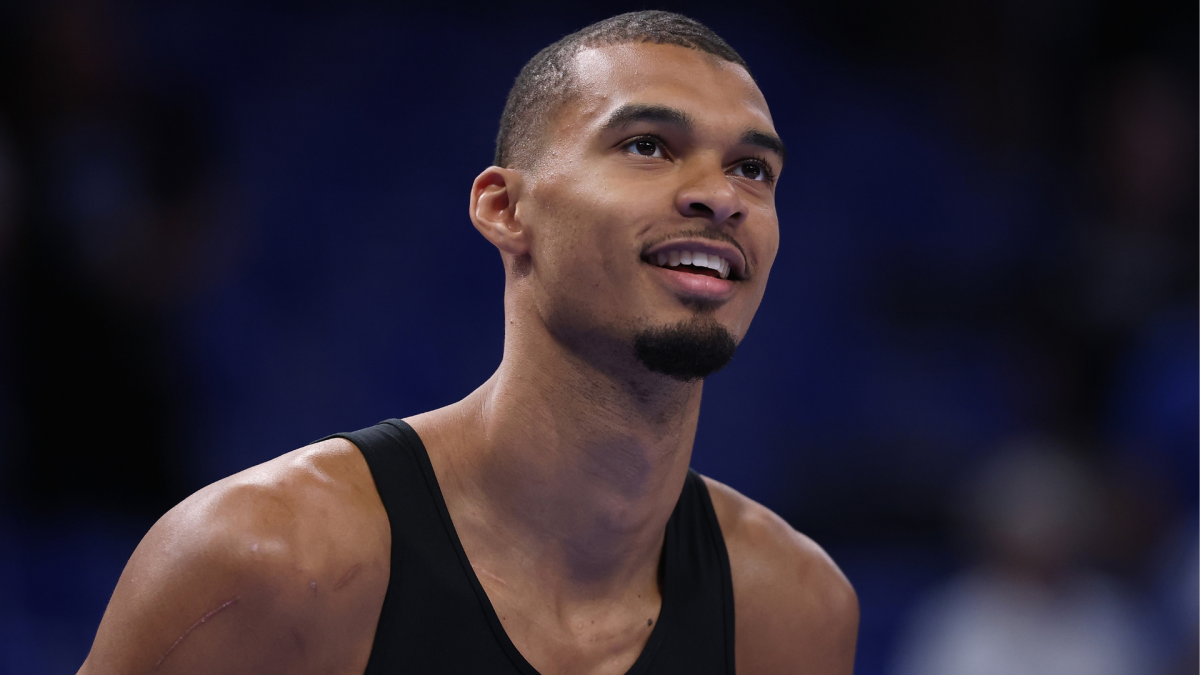

NBPA airs grievances about second apron same day Spurs superstar Victor Wembanyama reportedly makes contract sacrifice
The growing tension between players and the league over the NBA’s new financial guardrails was on full display as the NBPA publicly pushed back against the second apron rules on the same day reports surfaced that Spurs superstar Victor Wembanyama agreed to a contract structure viewed as team‑friendly.
The juxtaposition underscores a central debate in the modern NBA: how much financial flexibility should stars sacrifice in pursuit of winning, and how restrictive should the system be in the name of parity. The second apron, a punitive tier of the luxury tax, severely limits high‑spending teams’ ability to add salary, aggregate contracts in trades, or use common roster‑building tools. For the union, those constraints don’t just target owners; they also indirectly cap the market for elite talent and veteran role players.
From the players’ side, the frustration is philosophical as much as financial. The league’s revenue continues to climb, franchises are valued in the billions, and yet the rules increasingly discourage teams from paying to keep or assemble stacked rosters. The NBPA has argued that mechanisms like the second apron function as “soft caps on ambition,” narrowing the range of options for stars who might otherwise command full-market deals on aggressive contenders.
That’s what makes Wembanyama’s reported sacrifice so telling. As one of the sport’s most valuable young players, he is already the centerpiece of San Antonio’s long‑term plans and a future face of the league. Choosing a structure that eases the Spurs’ future cap burden signals a willingness to prioritize roster flexibility and sustained contention over maximizing every available dollar.
League observers see both sides. Owners and the NBA office view the second apron as a necessary check on super‑teams and runaway spending, a way to keep more franchises in the competitive mix. The union counters that the system should not punish teams simply for paying the talent they drafted, developed, or attracted.
With a generational star embracing financial compromise while his union rails against the system that makes such choices more consequential, the second apron debate is only intensifying.
The juxtaposition underscores a central debate in the modern NBA: how much financial flexibility should stars sacrifice in pursuit of winning, and how restrictive should the system be in the name of parity. The second apron, a punitive tier of the luxury tax, severely limits high‑spending teams’ ability to add salary, aggregate contracts in trades, or use common roster‑building tools. For the union, those constraints don’t just target owners; they also indirectly cap the market for elite talent and veteran role players.
From the players’ side, the frustration is philosophical as much as financial. The league’s revenue continues to climb, franchises are valued in the billions, and yet the rules increasingly discourage teams from paying to keep or assemble stacked rosters. The NBPA has argued that mechanisms like the second apron function as “soft caps on ambition,” narrowing the range of options for stars who might otherwise command full-market deals on aggressive contenders.
That’s what makes Wembanyama’s reported sacrifice so telling. As one of the sport’s most valuable young players, he is already the centerpiece of San Antonio’s long‑term plans and a future face of the league. Choosing a structure that eases the Spurs’ future cap burden signals a willingness to prioritize roster flexibility and sustained contention over maximizing every available dollar.
League observers see both sides. Owners and the NBA office view the second apron as a necessary check on super‑teams and runaway spending, a way to keep more franchises in the competitive mix. The union counters that the system should not punish teams simply for paying the talent they drafted, developed, or attracted.
With a generational star embracing financial compromise while his union rails against the system that makes such choices more consequential, the second apron debate is only intensifying.