
Ranking: The greatest journeymen in NBA history
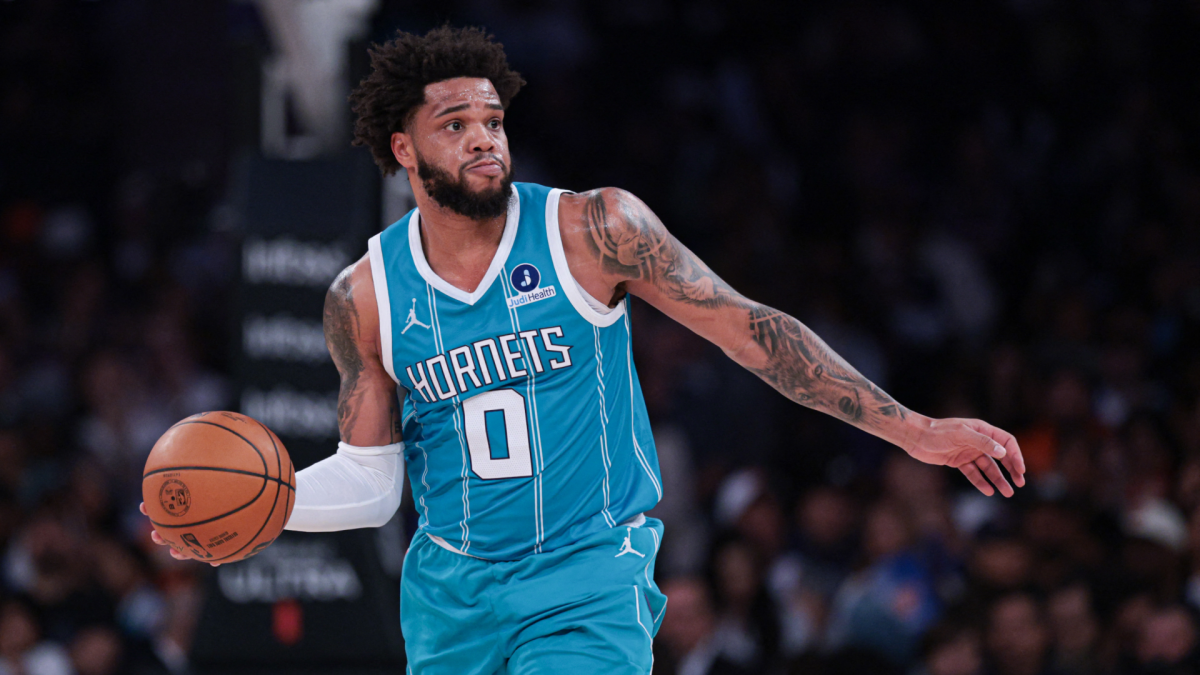
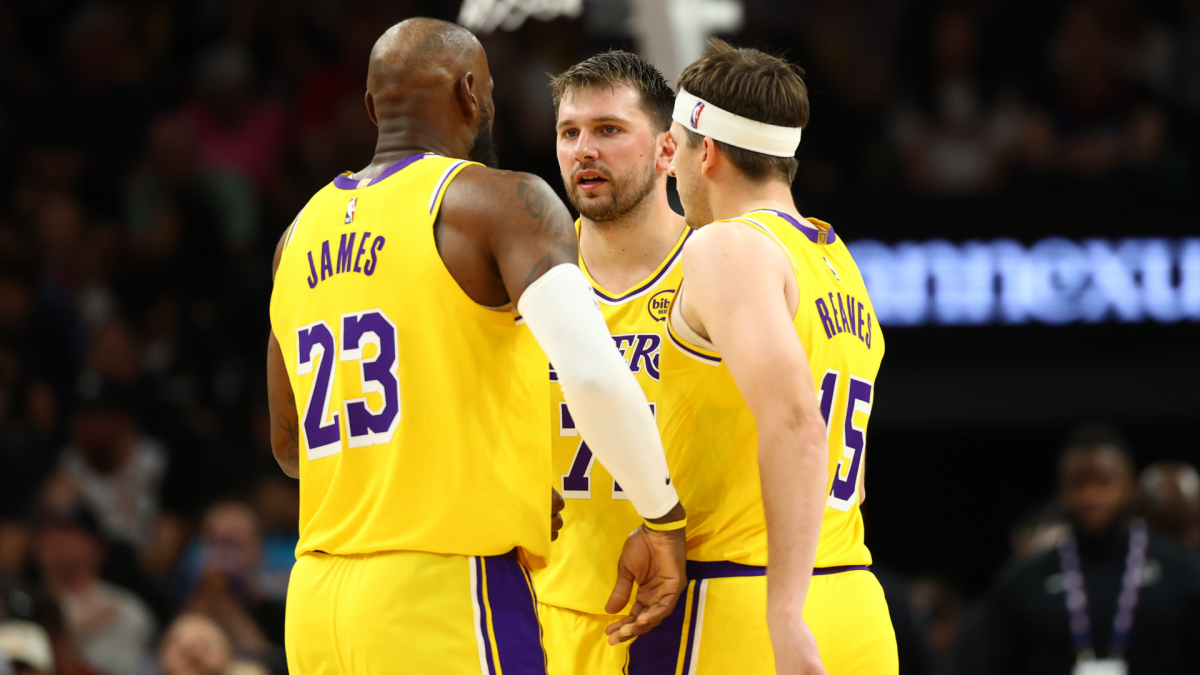
The NBA has always celebrated superstars who stay in one city, but there’s a special place in league lore for the journeymen who packed their bags, learned new systems on the fly, and still left a lasting imprint wherever they landed.
At the top of any journeyman ranking sits Robert Horry, the ultimate role-playing winner. He never averaged star numbers, yet his uncanny knack for big shots and defensive versatility turned him into a fixture on championship teams across multiple franchises. Horry embodies the idea that a journeyman can be a franchise’s finishing piece.
Close behind is Sam Cassell, whose career arc mirrors the league’s evolution at point guard. Cassell bounced between contenders and rebuilding squads, but his mid-range craft, leadership, and late-game poise traveled well. He was rarely the face of a franchise, yet often the voice in the huddle that mattered most.
Jamal Crawford represents the modern microwave scorer. With his elastic handle and deep shooting range, he became a perennial Sixth Man of the Year candidate while changing uniforms several times. Crawford’s influence is visible in today’s bench gunners who treat the second unit like their own stage.
Then there’s Chauncey Billups, who technically fits the journeyman label early in his career. Before becoming “Mr. Big Shot,” he cycled through multiple teams trying to find the right fit. Once he did, his blend of composure and toughness helped redefine what a lead guard could be for a championship team, proving that a bumpy path can still lead to stardom.
Rounding out a top tier are players like Trevor Ariza and P.J. Tucker, rugged wings who became prototypes for the 3-and-D era. Their ability to guard multiple positions and hit timely threes made them plug-and-play answers for contenders seeking a defensive conscience.
Journeymen rarely dominate headlines, but their value is clear in locker rooms and playoff rotations. In a league defined by movement and matchup hunting, these traveling specialists often provide the connective tissue that turns talent into winning basketball.
At the top of any journeyman ranking sits Robert Horry, the ultimate role-playing winner. He never averaged star numbers, yet his uncanny knack for big shots and defensive versatility turned him into a fixture on championship teams across multiple franchises. Horry embodies the idea that a journeyman can be a franchise’s finishing piece.
Close behind is Sam Cassell, whose career arc mirrors the league’s evolution at point guard. Cassell bounced between contenders and rebuilding squads, but his mid-range craft, leadership, and late-game poise traveled well. He was rarely the face of a franchise, yet often the voice in the huddle that mattered most.
Jamal Crawford represents the modern microwave scorer. With his elastic handle and deep shooting range, he became a perennial Sixth Man of the Year candidate while changing uniforms several times. Crawford’s influence is visible in today’s bench gunners who treat the second unit like their own stage.
Then there’s Chauncey Billups, who technically fits the journeyman label early in his career. Before becoming “Mr. Big Shot,” he cycled through multiple teams trying to find the right fit. Once he did, his blend of composure and toughness helped redefine what a lead guard could be for a championship team, proving that a bumpy path can still lead to stardom.
Rounding out a top tier are players like Trevor Ariza and P.J. Tucker, rugged wings who became prototypes for the 3-and-D era. Their ability to guard multiple positions and hit timely threes made them plug-and-play answers for contenders seeking a defensive conscience.
Journeymen rarely dominate headlines, but their value is clear in locker rooms and playoff rotations. In a league defined by movement and matchup hunting, these traveling specialists often provide the connective tissue that turns talent into winning basketball.