Rick Fox, three-time NBA champion with Lakers, running for legislative seat in the Bahamas
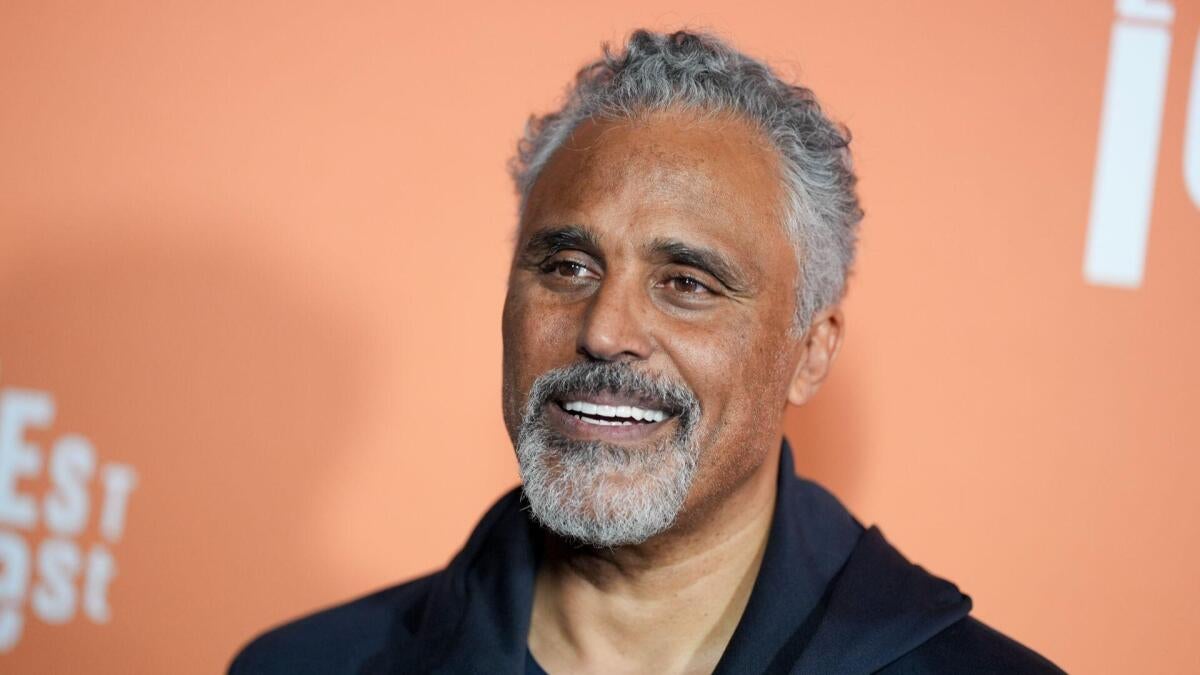
Rick Fox, remembered by NBA fans as a versatile forward on the Los Angeles Lakers’ early-2000s championship teams, is now seeking a different kind of spotlight: a legislative seat in his native Bahamas. The three-time NBA champion is pivoting from hardwood success and post-playing business ventures to the arena of public service and national policy.
Fox’s candidacy reflects a broader trend of former athletes leveraging their profile and leadership experience to enter politics. For Bahamas voters, his name recognition is undeniable, but his campaign will ultimately hinge on whether he can translate that fame into credible plans on issues that matter locally, from economic development to youth opportunities.
During his NBA career, Fox carved out a reputation as a high-IQ role player who defended multiple positions, facilitated offense, and embraced difficult assignments alongside superstars. That background suggests a comfort with collaboration and supporting roles, traits that can be valuable in a legislative environment where coalition-building and compromise are essential.
From a league perspective, Fox’s move underscores the expanding influence of NBA alumni well beyond basketball. The modern NBA ecosystem often encourages players to build brands, pursue education, and invest in business and social impact projects while still active. Fox has been part of that wave, engaging in entertainment and technology ventures after retirement. A run for office is a natural extension of that multi-dimensional post-career path.
For the Bahamas, having a globally recognized former Laker enter politics brings international attention, but it also raises expectations. Voters and observers will watch closely to see how Fox articulates concrete policy positions, navigates local party structures, and connects with communities that may know him more from television than from town halls.
If successful, Fox could become a case study in how elite athletes parlay championship experience and global visibility into formal political power. Regardless of the electoral outcome, his candidacy reinforces the idea that the influence of NBA champions does not end when the final buzzer sounds; it can evolve into civic leadership on a national stage.
Fox’s candidacy reflects a broader trend of former athletes leveraging their profile and leadership experience to enter politics. For Bahamas voters, his name recognition is undeniable, but his campaign will ultimately hinge on whether he can translate that fame into credible plans on issues that matter locally, from economic development to youth opportunities.
During his NBA career, Fox carved out a reputation as a high-IQ role player who defended multiple positions, facilitated offense, and embraced difficult assignments alongside superstars. That background suggests a comfort with collaboration and supporting roles, traits that can be valuable in a legislative environment where coalition-building and compromise are essential.
From a league perspective, Fox’s move underscores the expanding influence of NBA alumni well beyond basketball. The modern NBA ecosystem often encourages players to build brands, pursue education, and invest in business and social impact projects while still active. Fox has been part of that wave, engaging in entertainment and technology ventures after retirement. A run for office is a natural extension of that multi-dimensional post-career path.
For the Bahamas, having a globally recognized former Laker enter politics brings international attention, but it also raises expectations. Voters and observers will watch closely to see how Fox articulates concrete policy positions, navigates local party structures, and connects with communities that may know him more from television than from town halls.
If successful, Fox could become a case study in how elite athletes parlay championship experience and global visibility into formal political power. Regardless of the electoral outcome, his candidacy reinforces the idea that the influence of NBA champions does not end when the final buzzer sounds; it can evolve into civic leadership on a national stage.