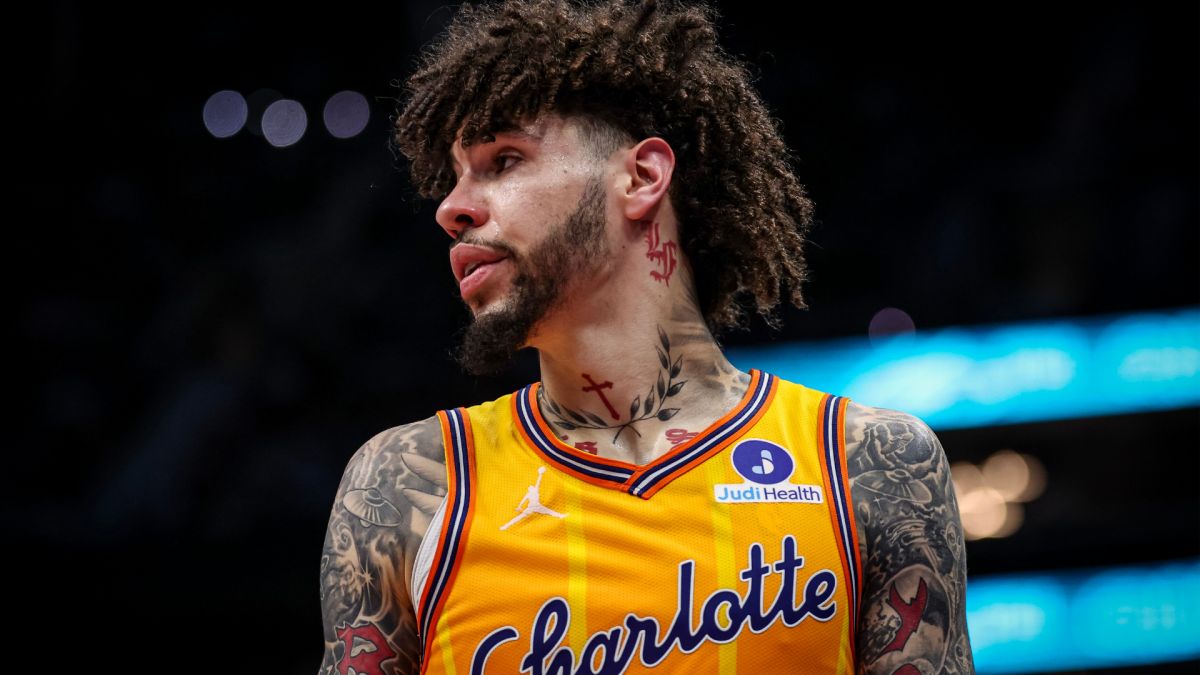

Stephen Curry out for NBA All-Star Game due to knee issue, coach Steve Kerr announces
Stephen Curry will not take part in this season’s NBA All-Star Game after being sidelined by a knee issue, Warriors head coach Steve Kerr confirmed, removing one of the league’s most recognizable faces from its marquee midseason showcase.
Curry’s absence reshapes both the exhibition itself and the conversation around player health. The All-Star Game is designed as a celebration of the sport’s biggest names, and few embody the modern NBA more than Curry, whose shooting range and style of play have helped redefine offenses across the league. Losing him, even for a single night, underscores how fragile star availability has become in a season marked by heightened scrutiny on injuries and rest.
From a team standpoint, the decision signals that Golden State and Curry are prioritizing long-term durability over short-term spectacle. The Warriors remain locked in a competitive Western Conference picture, and any lingering knee concern for their franchise cornerstone demands caution. For a veteran guard who has logged deep playoff runs and heavy usage, sitting out a high-intensity exhibition is a logical step, even if it disappoints fans.
League-wide, the development adds another wrinkle to ongoing discussions about how to balance entertainment value with player welfare. The NBA has been pushing to keep its biggest stars on the floor, implementing policies aimed at reducing load management in nationally televised games. Yet the All-Star Game, while high profile, is still an exhibition. Resting a star dealing with a knee issue aligns with the broader medical consensus that lingering problems should not be pushed for non-essential events.
For the All-Star rosters, Curry’s absence opens the door for an additional guard to gain the spotlight, potentially elevating a younger or less heralded player into a primetime role. The game will go on, but without one of its most magnetic shooters, it will look and feel different. Ultimately, this decision reflects a modern NBA reality: preserving a superstar’s health for the stretch run outweighs even the glamour of All-Star weekend.
Curry’s absence reshapes both the exhibition itself and the conversation around player health. The All-Star Game is designed as a celebration of the sport’s biggest names, and few embody the modern NBA more than Curry, whose shooting range and style of play have helped redefine offenses across the league. Losing him, even for a single night, underscores how fragile star availability has become in a season marked by heightened scrutiny on injuries and rest.
From a team standpoint, the decision signals that Golden State and Curry are prioritizing long-term durability over short-term spectacle. The Warriors remain locked in a competitive Western Conference picture, and any lingering knee concern for their franchise cornerstone demands caution. For a veteran guard who has logged deep playoff runs and heavy usage, sitting out a high-intensity exhibition is a logical step, even if it disappoints fans.
League-wide, the development adds another wrinkle to ongoing discussions about how to balance entertainment value with player welfare. The NBA has been pushing to keep its biggest stars on the floor, implementing policies aimed at reducing load management in nationally televised games. Yet the All-Star Game, while high profile, is still an exhibition. Resting a star dealing with a knee issue aligns with the broader medical consensus that lingering problems should not be pushed for non-essential events.
For the All-Star rosters, Curry’s absence opens the door for an additional guard to gain the spotlight, potentially elevating a younger or less heralded player into a primetime role. The game will go on, but without one of its most magnetic shooters, it will look and feel different. Ultimately, this decision reflects a modern NBA reality: preserving a superstar’s health for the stretch run outweighs even the glamour of All-Star weekend.