
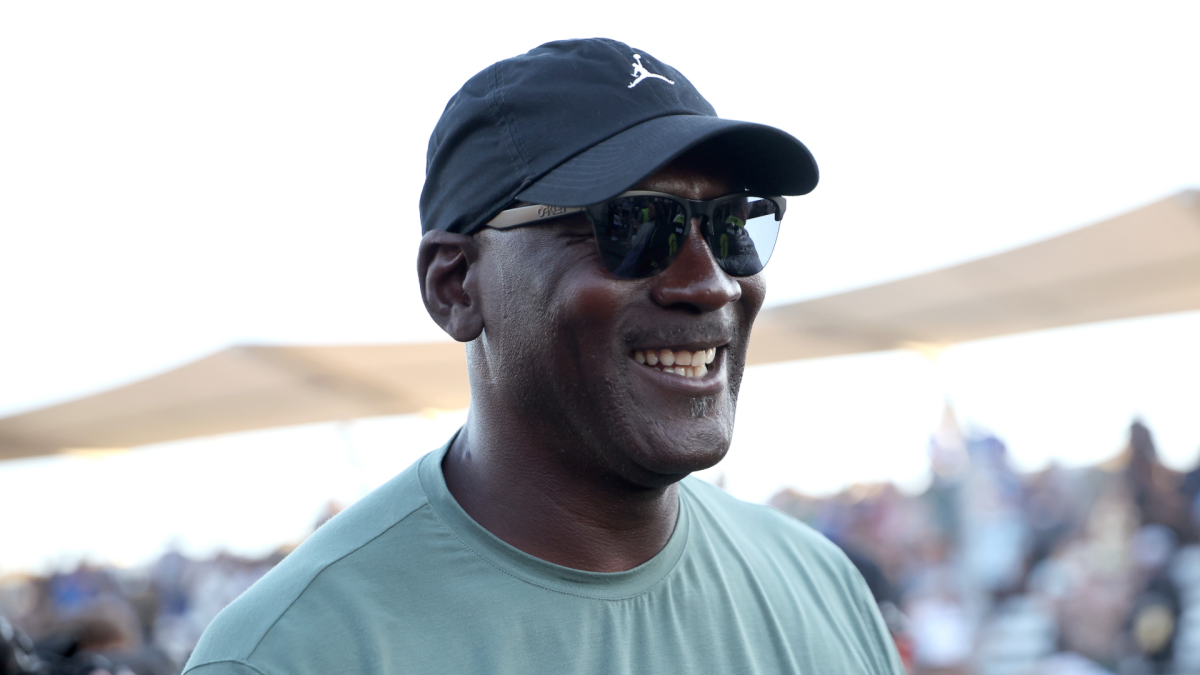
Why Michael Jordan doesn't consider himself the GOAT of the NBA
Michael Jordan’s name is practically shorthand for basketball greatness, yet the man most often labeled the “GOAT” is notably reluctant to wear that crown himself. Instead of leaning into the myth, Jordan has consistently framed the debate as something bigger than any one player or era.
At the core of his stance is respect for the game’s evolution. Jordan has often highlighted how difficult it is to compare generations that played under different rules, styles, and expectations. The physicality of the 1990s, the pace-and-space revolution that defines today’s NBA, and the varied roles stars are asked to fill all complicate a simple hierarchy. From Jordan’s perspective, labeling one player as definitively superior risks minimizing the greatness of legends who shaped the league in their own time.
There is also a competitive code at work. Jordan built his legacy on relentless drive, the idea that there was always another challenge ahead. Declaring himself the GOAT would be an endpoint, and Jordan has never been particularly interested in finish lines. By sidestepping that title, he reinforces a mindset that greatness is pursued, not possessed.
League-wide, his reluctance serves a subtle purpose. The NBA thrives on debate, but it also benefits from a lineage of icons rather than a single untouchable figure. Jordan’s refusal to claim ultimate status leaves room for fans to champion players like LeBron James, Kareem Abdul-Jabbar, or future stars without feeling they are trespassing on sacred ground. It keeps the conversation alive and the comparisons fluid.
There is also an element of humility, however calculated. Jordan understands his own impact on globalizing the sport and redefining the modern superstar, yet he often frames his achievements as part of a broader tapestry that includes teammates, rivals, coaches, and organizational stability.
In a league obsessed with rankings and “all-time” lists, Jordan’s position is almost a counterculture stance: the greatest may well be the one most unwilling to declare the debate over.
At the core of his stance is respect for the game’s evolution. Jordan has often highlighted how difficult it is to compare generations that played under different rules, styles, and expectations. The physicality of the 1990s, the pace-and-space revolution that defines today’s NBA, and the varied roles stars are asked to fill all complicate a simple hierarchy. From Jordan’s perspective, labeling one player as definitively superior risks minimizing the greatness of legends who shaped the league in their own time.
There is also a competitive code at work. Jordan built his legacy on relentless drive, the idea that there was always another challenge ahead. Declaring himself the GOAT would be an endpoint, and Jordan has never been particularly interested in finish lines. By sidestepping that title, he reinforces a mindset that greatness is pursued, not possessed.
League-wide, his reluctance serves a subtle purpose. The NBA thrives on debate, but it also benefits from a lineage of icons rather than a single untouchable figure. Jordan’s refusal to claim ultimate status leaves room for fans to champion players like LeBron James, Kareem Abdul-Jabbar, or future stars without feeling they are trespassing on sacred ground. It keeps the conversation alive and the comparisons fluid.
There is also an element of humility, however calculated. Jordan understands his own impact on globalizing the sport and redefining the modern superstar, yet he often frames his achievements as part of a broader tapestry that includes teammates, rivals, coaches, and organizational stability.
In a league obsessed with rankings and “all-time” lists, Jordan’s position is almost a counterculture stance: the greatest may well be the one most unwilling to declare the debate over.


